Property and infrastructure firms are no strangers to complexity. A highly competitive market, multi-layered stakeholder decision-making, shifting economic conditions: the path to growth and successful project delivery is rarely straightforward. Amid the day-to-day demands of managing major assets and developments, marketing can become sidelined, fragmented, and disconnected from important commercial goals.
Meanwhile, the industry is changing. Investors, government bodies, and B2B clients are researching more, competitors are investing heavily in their visibility, and decision-makers are expecting more polish before they even make contact. Relying solely on word of mouth, legacy networks, and relationships won’t deliver the pipeline or brand equity you’re looking for.
This is where a well-structured, uniquely crafted brand and marketing strategy for property and infrastructure businesses becomes the key differentiator. Your strategy shapes how you’re seen in major bids and tenders, how effectively you navigate community and stakeholder engagement, whether partners decide to collaborate with you, and how they determine you’re the right fit over competitors. In a sector where the stakes are high and every advantage is hard-won, it’s a critical tool that needs to be sharp.
If you’re looking to grow your property or infrastructure portfolio, bolster your pipeline, and strengthen your position in the market, strategic marketing is the difference between scattered effort and real progress.
Why ad-hoc activity won’t build traction
Marketing in the property and infrastructure sector is often driven by immediate needs: a brochure for an upcoming precinct launch, a quick website update for a community consultation, or a last-minute LinkedIn post about a project milestone. Each activity serves a purpose, but without a clear strategic goal, the value is limited to short-term impact, and the effort rarely compounds.
Over time, the gaps start to show:
- Campaigns run in isolation, with no long-term vision for the asset or brand
- Messaging shifts across sporadic efforts, leaving stakeholders unable to discern a consistent narrative
- Low market visibility, despite consistently delivering high-quality developments
- Teams are spread thin and misaligned, causing marketing to lose momentum
But the potential is there.
According to recent research, 78% of firms in the built environment report more project enquiries through digital marketing[1]. The channel works when it’s guided by strategy and executed with consistency.
At The Walk, we believe strategy should come first because structure drives focus. In an industry where time is tight, lifecycles are long, and resources are finite, focusing on what moves the needle is the most effective way to overcome the unique marketing challenges in property and infrastructure.
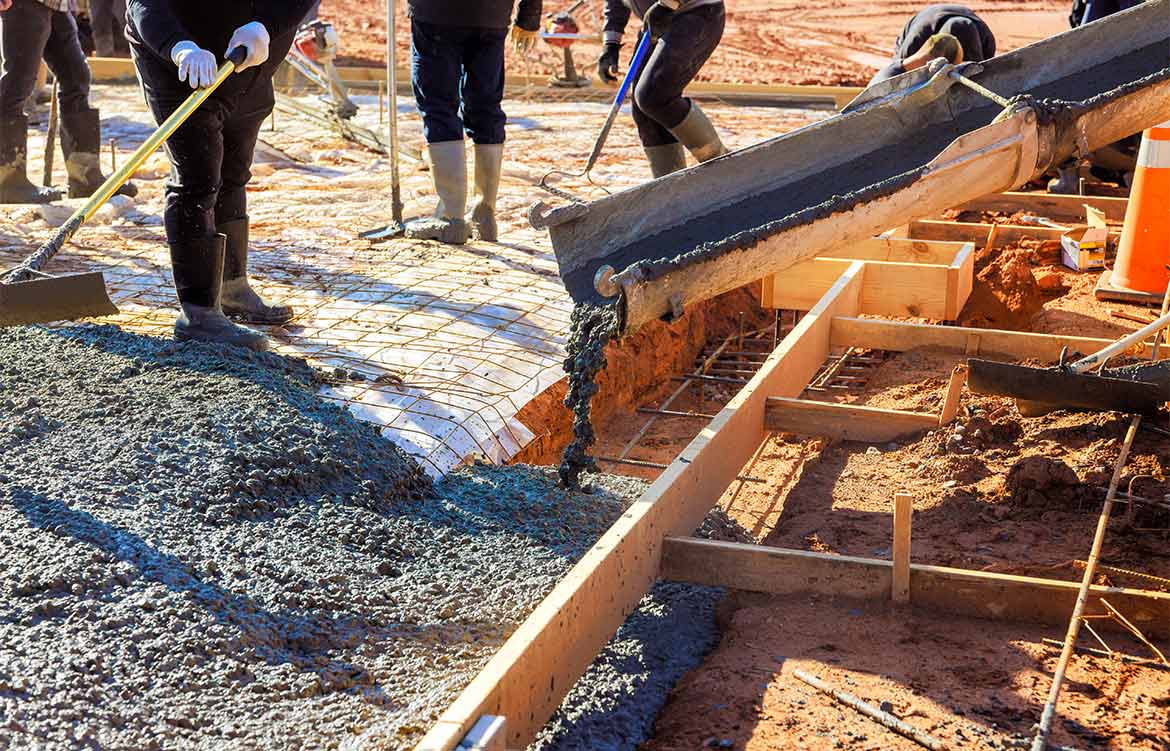
In major infrastructure or property development, you wouldn’t start pouring concrete before the masterplan and foundations were approved. Why would you approach your marketing any differently?
What a property and infrastructure marketing strategy actually involves
Strategy is often talked about in broad terms. Vision. Alignment. Transformation.
In reality, it’s doing the right things, in the right order, for the right reasons. For property and infrastructure businesses, that means marketing tied to commercial priorities – not just running campaigns because you feel like you should be doing something.
Here’s how we approach building coherent marketing strategies:
- Discovery & planning: We map out what’s working, what’s holding you back, and where your best market and stakeholder opportunities lie.
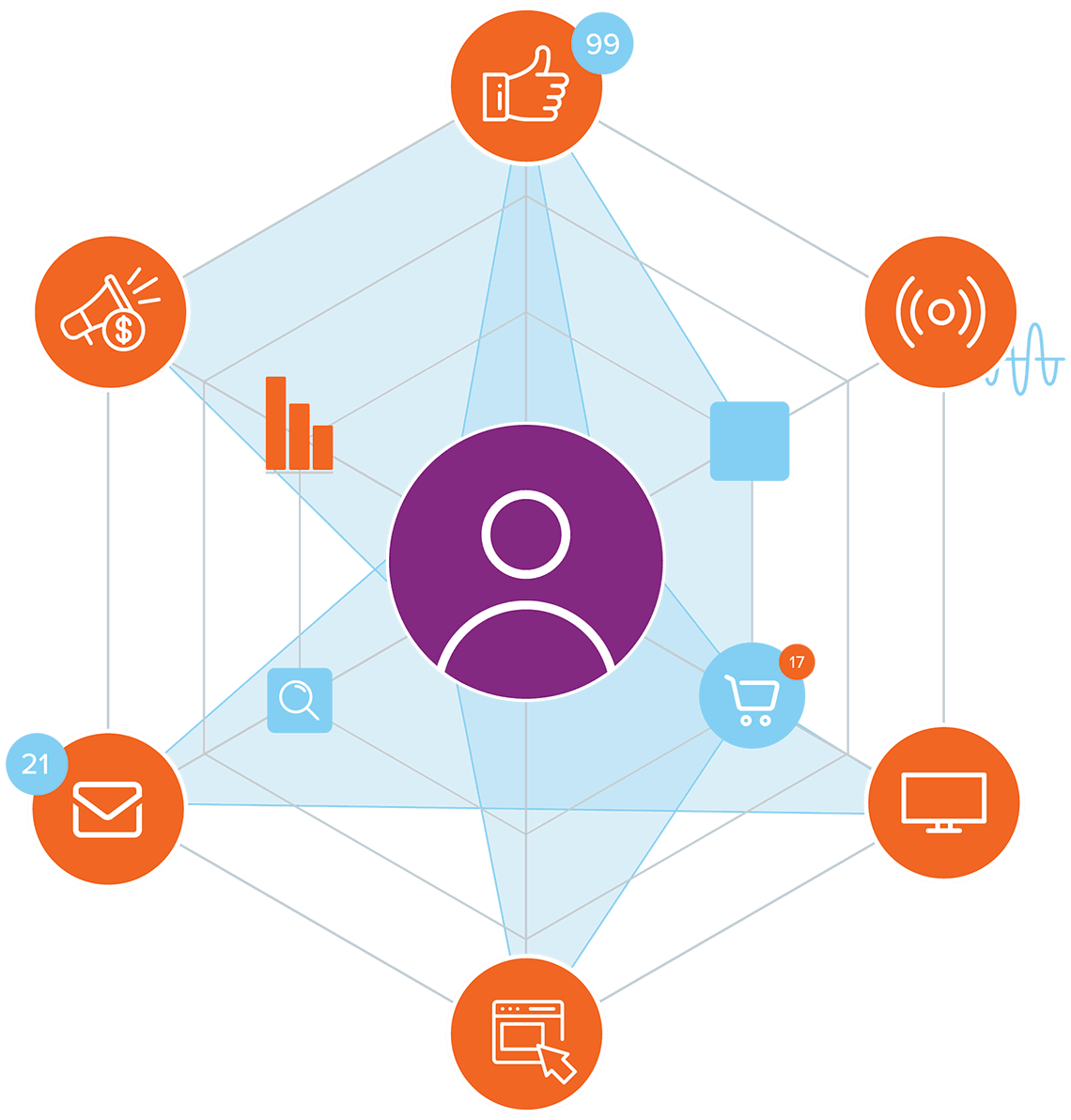
- Channel mix: We cut out what’s not working and focus on the channels that will (such as SEO, SEM, social, email, and thought leadership content) based on your specific audience and long sales cycles.
- Messaging clarity: We help you say the right thing, in the right way, to the right people, so your brand builds trust and stands out for the right reasons in competitive tenders.
- Measurement: We track what matters, ditch what doesn’t, and keep your marketing focused on real commercial results (not vanity metrics).
Strategic marketing vs. performance marketing: what’s the difference?
Performance marketing focuses on short-term clicks and conversions. Strategy focuses on building a marketing system that delivers results over time through clarity, consistency, and alignment with your long-term asset and business goals.
At The Walk, we believe both should work together. There’s no reason why performance marketing can’t drive success with short-term metrics (like registering interest for a new development), and still be in alignment with a longer-term strategy that builds momentum and brand equity in the market.
Rylock: building better marketing foundations
Rylock, an Australian manufacturer of custom windows and doors, supplies major property developers and infrastructure projects across Australia. They have a strong product and a great sales team. But without a clear strategy, their marketing was struggling to make an impact. Their campaigns were inconsistent and without clear goals, and they knew they were missing opportunities to connect with larger commercial partners.
After conducting an in-depth Discovery Workshop, our team was able to cut through the noise and map out audience insights, content gaps, and commercial priorities. Then we built a 12-month marketing strategy with channels, themes, and performance targets. The key was zeroing in on the channels and content that actually drive results in the built environment. Rylock’s internal team gained clarity, cut the guesswork, and started marketing with purpose. With renewed focus and efficiency, they now benefit from smarter, more strategic B2B lead generation without overcommitting their resources.
For businesses facing growth, change, or resource pressure, Rylock is an example of what a structured marketing strategy in the Australian property and infrastructure supply chain can deliver.
Content that converts: why visibility isn’t enough
In property and infrastructure, building trust frequently starts before the first conversation. Potential investors, partners, and community stakeholders are researching quietly: reading, watching, and comparing. If what they find doesn’t build confidence in your capability, they quickly move on.
For teams investing in digital marketing, a clear brand strategy backed by high-quality content can be one of the most powerful tools available. It’s how businesses in this space demonstrate depth, capability, and relevance long before tenders are reviewed or site tours are booked.
The firms doing this well are seeing real results:
for businesses that share project and asset videos[2]
links
for those publishing thought leadership content, also boosting SEO and domain authority[3]
SEO and SEM will help you get found, but it’s the substance behind the click that builds trust. That could be:
- A detailed case study solving a complex engineering or placemaking challenge
- A high-quality video walkthrough of a finished precinct or asset
- A clean, structured website that makes the investment or procurement decision process easier
Strong digital design, backed by thoughtful content, supports complex decision-making and positions your business as one that truly understands its stakeholders.
For long-term growth, you need long-term thinking
In our fast-moving digital landscape, some marketing agencies promise quick wins: traffic spikes, click-through rates, short bursts of attention.
But quick wins don’t build successful property and infrastructure portfolios that withstand the ebbs and flows of shifting economic cycles.
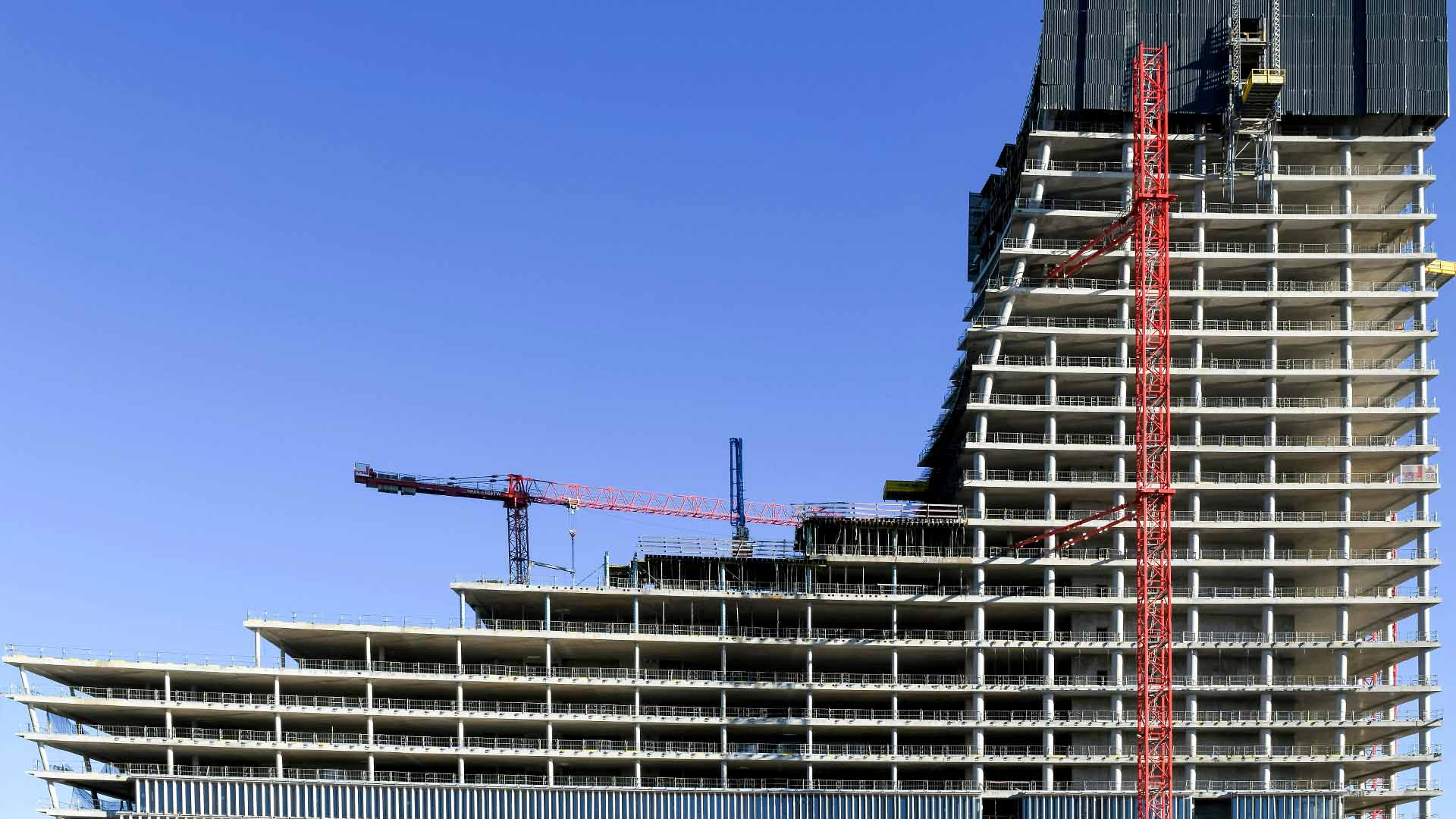
A spike in traffic or a bump in click-through rates might impress in a report, but will they translate to long-term growth? In this sector, success is built on trust, which takes time, technique, and consistency to build. The marketing that underpins a major development or infrastructure pipeline should be just as deliberate and meticulously planned as the asset itself.
“
Everything is connected to a clear marketing strategy for property and infrastructure, so your messaging, visual identity and targeting stay aligned…
”
At The Walk, we approach property and infrastructure marketing in Australia with structure and intent. We don’t run ads or create content in isolation; every activity is tied to clear business goals and guided by a strategic ‘why’. We work alongside our clients to build integrated marketing systems that connect digital and offline channels in a meaningful way.
That might mean launching a paid search campaign to generate qualified leads for a commercial property, refining a capability statement to support high-stakes infrastructure bids, developing branded materials for a major precinct launch, or improving how your corporate brand appears in search. Every marketing tactic is part of a bigger picture, helping you focus time and budget on what’s actually going to move the needle.
Everything is connected to a clear marketing strategy, ensuring your messaging, visual identity, and targeting stay aligned, wherever your audience encounters you.
Our support is flexible. Some clients bring us on as their full-service marketing partner. Others rely on us for marketing consulting and strategy, or to strengthen internal teams with strategic clarity, creative input, and capability when they need to scale for a major project.
In every case, the focus is the same: helping you build a presence that’s consistent, credible, and commercially valuable.
It’s time to market like you develop and build
Every great project starts with a well-considered masterplan which puts the right tools in the right hands at the right time. Marketing your property or infrastructure business should be no different.
If you’re still running ad-hoc campaigns and relying on outdated collateral, it may be time for a rethink. Brand perception can be hard to reverse, and the competitors who are gaining traction aren’t necessarily doing more; they may just be doing it with a better strategy.
Ready to grow your pipeline with a smarter approach? Let’s make your marketing as effective as your project delivery.
Book a discovery call |
Learn more about marketing in property and infrastructure
[1] Construction marketing statistics