
Infrastructure projects operate under constant scrutiny. Communities watch closely. Councils and utilities expect clarity. Regulators want assurance. With so many vested interests, even well-planned projects can face delays if communication is inconsistent or unclear.
Strong stakeholder communications for infrastructure projects help teams reduce confusion, manage risk, and build confidence from the earliest stages, particularly within the broader context of purpose-built marketing for property and infrastructure projects.
Projects that communicate clearly are better equipped to handle concerns, set expectations, and maintain support. A well considered infrastructure project communications strategy becomes a practical tool that improves engagement, stabilises decisions, and protects progress across the lifecycle.
Why communication reduces project risk
Delays, cost pressure, and community opposition all become more likely when information is missing or misunderstood.
“
Communication is not a soft add on. It is one of the most effective forms of risk management available to project teams.
”
Clear explanations of purpose, impact, and progress help shape realistic expectations. When communities understand why a project matters, how disruption will be managed, and what outcomes they can expect, support grows and resistance declines.
This is also a core part of brand reputation risk management in construction. A project’s reputation influences trust, and trust makes approvals, engagement, and delivery more stable.
The same relationship between clarity, trust, and decision-making is visible in capital attraction for property & infrastructure, where early confidence influences feasibility and funding pathways.

What communities and stakeholders need to see
Before communities will support a project, they need information they can trust. That includes:
- a clear explanation of purpose and need
- honest detail about expected impacts
- transparent timelines and staging
- simple updates that reflect real progress
- consistency between what is said and what is delivered
When this information is available and reliable, confidence increases and risk decreases.
These expectations closely mirror those of investors and partners in property development & infrastructure where uncertainty slows progress and weakens support.
Five communication strategies that reduce risk in infrastructure delivery
1. Start communication before misconceptions form
Once assumptions take hold, they are hard to reverse. Early communication sets the tone and ensures the project story is heard from a reliable source. Introduce the project in plain language, explain the public value, and outline the benefits and timelines clearly.
- Value delivered: A factual foundation that prevents misinformation and builds trust from the outset.
2. Build a clear, consistent narrative across all channels
Infrastructure projects often involve multiple partners, each with their own priorities. A single, unified message helps ensure that regulators, utilities, contractors, and communities hear the same information.
- Value delivered: Higher credibility and fewer mixed messages, which reduces friction at key decision points.
3. Use visual tools to explain impact and staging
Maps, diagrams, site animations, and progress footage help translate engineering detail into something communities can understand. This matters when disruption is complex or long term.
- Value delivered: Clearer understanding of what will happen and why, which lowers perceived risk.
4. Provide predictable updates and create two way communication
Predictability builds confidence. Consistent updates through newsletters, digital hubs, advisory groups, and community sessions help stakeholders feel informed rather than surprised.
- Value delivered: Better transparency, fewer escalations, and stronger relationships with councils, utilities, and the public.
5. Align internal and external communication
A strong infrastructure project communications strategy ensures that everyone shares the same facts. Delivery partners, design teams, government bodies, and contractors must communicate from the same playbook.
- Value delivered: Reduced confusion, improved trust, and a more stable environment for delivery.
These same principles of consistency and alignment also underpin reputation-led tender success in infrastructure projects.
How stronger communication builds community confidence
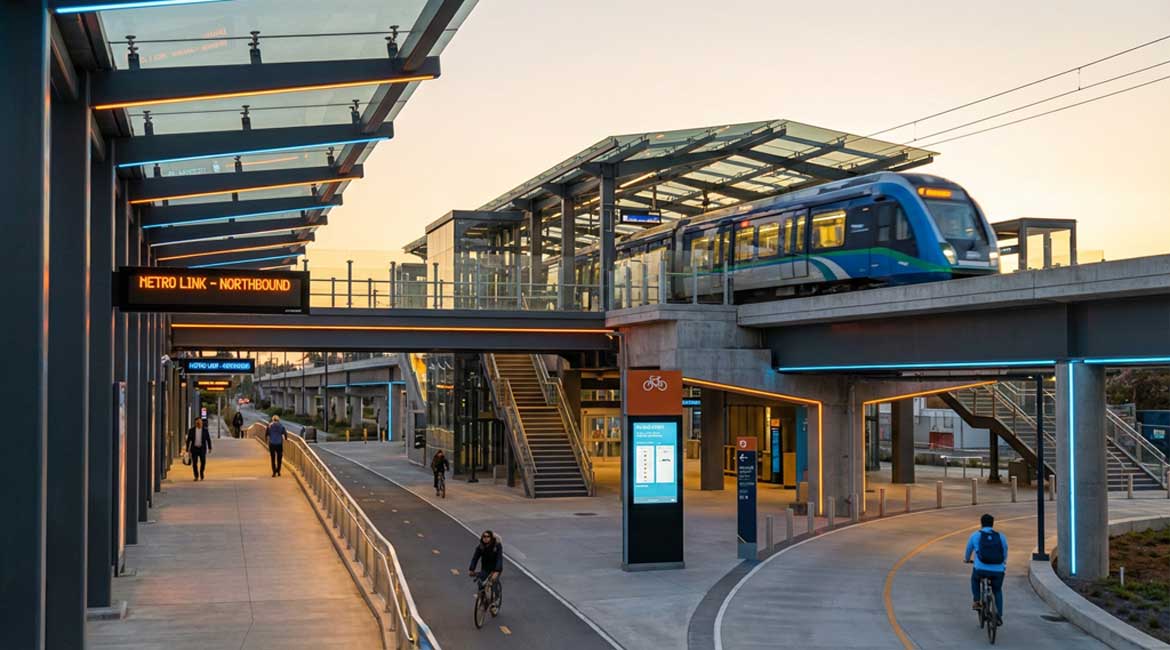
Community confidence grows when communication is honest, accessible, and consistent. People want to know how a project will affect them and how long disruption will last. They want to understand the long term benefits, not just the construction period. Strong communication provides answers without overpromising, helping maintain support even when conditions become challenging.
When communities feel seen and informed, they respond with higher trust and fewer objections. That stability reduces risk, improves decision making, and supports a smoother path through approvals and delivery.
This confidence-building role mirrors how reputation operates in competitive tender environments, where clarity and proof influence selection decisions.
Putting communication to work across the lifecycle
Communication must start early and continue throughout delivery. Practical steps include:
- integrating communication into planning phases
- creating a consistent schedule of updates
- preparing visual and written material that simplifies complex detail
- mapping who needs to know what, and when
- using stakeholder communications for infrastructure projects as an ongoing function
- tracking sentiment to inform the next phase of engagement
These practices make communication predictable, reliable, and credible.
They also align closely with structured marketing approaches used in property & infrastructure projects, where early preparation supports momentum and reduces friction.
A more confident path for major infrastructure work
Infrastructure projects succeed when communication is planned, structured, and transparent. With a strong infrastructure project communications strategy, teams reduce risk, strengthen community confidence, and maintain momentum from planning to delivery.
When communication is clear, communities understand the value behind the work, regulators have the information they need, and delivery teams operate with fewer obstacles in their way.
This is one pillar of a broader, integrated approach to marketing complex projects across development, infrastructure, and commercial construction.
If you need a partner who understands the demands of infrastructure delivery and the role communication plays in project success, we’re ready to talk.